Tuesday, August 14, 2012

Hiding in Plain Sight: Interparietal Still Present in Mammals


Although clearly discernible in the embryo, shortly afterwards it fuses with other bones beyond recognition. Consequently, researchers have often missed it. Now, however, paleontologists from the University of Zurich have rediscovered it: the "os interparietale," a skull bone also referred to as the interparietal. Using imaging methods, they were able to detect its presence in all mammals -- including humans, which is new as it was previously believed to have been lost in the course of evolution.

The mammalian skull, including that of people, is composed of about 20 bones. Fish, reptile and bird skulls, however, have considerably more. After all, when mammals evolved from reptile-like vertebrates 320 million years ago, the skull's structure became simplified during its development and the number of skull bones decreased.

Some bones were lost in the lineage leading to mammals in the course of evolution, especially a number of skull roof bones. The skull's interparietal, which is one of the skull roof bones, particularly puzzled researchers: on the one hand, it seems to have survived, such as in humans, carnivores and ungulates (especially horses); on the other hand, it is not found in all mammals.

Together with a colleague from the University of Tübingen, Marcelo Sánchez, a professor of paleontology at the University of Zurich, and post-doctoral student Daisuke Koyabu have now detected the presence of the interparietal after all: Studying fossils and embryos of over 300 species of vertebrate, they were able to identify the bone in all of them. They used non-invasive micro-CT imaging to analyze rare embryos of different species from museum collections. "The interparietal was clearly discernible in specimens from the embryonic period as the skull bones were fused less strongly here," explains Sánchez. At the same time, he sees the fact that the bone is only clearly and easily discernible in the embryonic period as the reason why previous researchers failed to recognize it: "It would seem that many anatomists have overlooked the presence of the interparietal in numerous mammalian lineages as the bone becomes fused to other skull bones during growth and is unrecognizable in adult individuals."

Something to chew on for those that do the skeletal recons...

Link.

Thursday, August 09, 2012

Mars Has Plate Techtonics

For years, many scientists had thought that plate tectonics existed nowhere in our solar system but on Earth. Now, a UCLA scientist has discovered that the geological phenomenon, which involves the movement of huge crustal plates beneath a planet's surface, also exists on Mars.

"Mars is at a primitive stage of plate tectonics. It gives us a glimpse of how the early Earth may have looked and may help us understand how plate tectonics began on Earth," said An Yin, a UCLA professor of Earth and space sciences and the sole author of the new research.

Yin made the discovery during his analysis of satellite images from a NASA spacecraft known as THEMIS (Time History of Events and Macroscale Interactions during Substorms) and from the HIRISE (High Resolution Imaging Science Experiment) camera on NASA's Mars Reconnaissance Orbiter. He analyzed about 100 satellite images — approximately a dozen were revealing of plate tectonics.

Yin has conducted geologic research in the Himalayas and Tibet, where two of the Earth's seven major plates divide.

"When I studied the satellite images from Mars, many of the features looked very much like fault systems I have seen in the Himalayas and Tibet, and in California as well, including the geomorphology," said Yin, a planetary geologist.

For example, he saw a very smooth, flat side of a canyon wall, which can be generated only by a fault, and a steep cliff, comparable to cliffs in California's Death Valley, which also are generated by a fault. Mars has a linear volcanic zone, which Yin said is a typical product of plate tectonics.

"You don't see these features anywhere else on other planets in our solar system, other than Earth and Mars," said Yin, whose research is featured as the cover story in the August issue of the journal Lithosphere.

The surface of Mars contains the longest and deepest system of canyons in our solar system, known as Valles Marineris (Latin for Mariner Valleys and named for the Mariner 9 Mars orbiter of 1971󈞴, which discovered it). It is nearly 2,500 miles long — about nine times longer than the Earth's Grand Canyon. Scientists have wondered for four decades how it formed. Was it a big crack in Mars' shell that opened up?

"In the beginning, I did not expect plate tectonics, but the more I studied it, the more I realized Mars is so different from what other scientists anticipated," Yin said. "I saw that the idea that it is just a big crack that opened up is incorrect. It is really a plate boundary, with horizontal motion. That is kind of shocking, but the evidence is quite clear.

"The shell is broken and is moving horizontally over a long distance. It is very similar to the Earth's Dead Sea fault system, which has also opened up and is moving horizontally."

The two plates divided by Mars' Valles Marineris have moved approximately 93 miles horizontally relative to each other, Yin said. California's San Andreas Fault, which is over the intersection of two plates, has moved about twice as much — but the Earth is about twice the size of Mars, so Yin said they are comparable.

Yin, whose research is partly funded by the National Science Foundation, calls the two plates on Mars the Valles Marineris North and the Valles Marineris South.

"Earth has a very broken 'egg shell,' so its surface has many plates; Mars' is slightly broken and may be on the way to becoming very broken, except its pace is very slow due to its small size and, thus, less thermal energy to drive it," Yin said. "This may be the reason Mars has fewer plates than on Earth."

Mars has landslides, and Yin said a fault is shifting the landslides, moving them from their source.

Does Yin think there are Mars-quakes?

"I think so," he said. "I think the fault is probably still active, but not every day. It wakes up every once in a while, over a very long duration — perhaps every million years or more."

Yin is very confident in his findings, but mysteries remain, he said, including how far beneath the surface the plates are located.

"I don't quite understand why the plates are moving with such a large magnitude or what the rate of movement is; maybe Mars has a different form of plate tectonics," Yin said. "The rate is much slower than on Earth."

The Earth has a broken shell with seven major plates; pieces of the shell move, and one plate may move over another. Yin is doubtful that Mars has more than two plates.

"We have been able to identify only the two plates," he said. "For the other areas on Mars, I think the chances are very, very small. I don't see any other major crack."
Link. Paper link.

Is the Prince Albert Crater in Canada a Mesozoic or Paleozoic Impact?


This is the Prince Albert Impact Crater.  It was found two years ago, but new information has reevaluated some of the initial results.  Originally, it was thought to be between 150 to 130 million years old.  This has now been broadened to 350 to 130 million years old.  That's...interesting.  Flickr gallery.

Monday, August 06, 2012

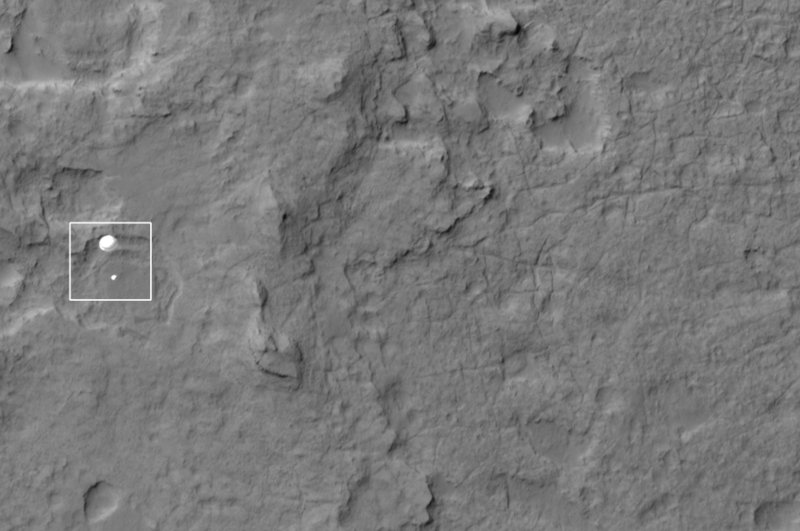
Curiosity Descent Images

You've seen this one:


That's the image of Curiosity landing on Mars as seen by an orbiter (Odyssey).

But...there's this too:


Its the camera on the bottom of the rover recording the descent.

Friday, August 03, 2012

Keegan Has Died


Rest in Peace.


I always found his portrayal of Grant to be rather interesting and different than what I grew up with.  I have not as yet read his last book on the US Civil War.

Boeing, SpaceX & Sierra Nevada Win Commericial Crew Contracts


Did I call it or what?

Boeing got $440 million for their CST-100.  SpaceX got $420 million for the Dragon.  Sierra Nevada got $212 million.

Innovative, but sure (SpaceX).  Dinospace but likely to succeed (Boeing).  And "sexy" or "kewl," SN.

There were some rumors floating around (when aren't there?) that the White House delayed the announcement because they were unhappy with the decision.  The rumor was that ATK had won something and that the WH didn't like it.  The only way that works now that the awards are out is that they had hoped that ATK had won and that it didn't...

ATK may continue, albeit slower, according public statements.

Congratz, folks.  Let's see Americans going up in American spacecraft again.

Thursday, August 02, 2012

Something that Made me Smile

Biotic Multipliers: Species Interactions are Very Important in Extinction Scenarios

Global warming may cause more extinctions than predicted if scientists fail to account for interactions among species in their models, Yale and UConn researchers argue in in the journal Science.

“Currently, most models predicting the effects of climate change treat species separately and focus only on climatic and environmental drivers,” says Phoebe Zarnetske, the study’s primary author and a postdoctoral fellow at the Yale School of Forestry & Environmental Studies. “But we know that species don’t exist in a vacuum. They interact with each other in ways that deeply affect their viability.”

Zarnetske said the complexity of “species interaction networks” discourages their inclusion in models predicting the effects of climate change. Using the single-species — or “climate envelope” — approach, researchers have predicted that 15% to 37% of species will be faced with extinction by 2050.

But research has shown that top consumers — predators and herbivores — have an especially strong effect on many other species. In a warming world, these species are “biotic multipliers,” increasing the extinction risk and altering the ranges of many other species in the food web.

“Climate change is likely to have strong effects on top consumers. As a result, these effects can ripple through an entire food web, multiplying extinction risks along the way,” says Dave Skelly, a co-author of the study and professor of ecology at Yale.

The paper argues that focusing on these biotic multipliers and their interactions with other species is a promising way to improve predictions of the effects of climate change, and recent studies support this idea. On Isle Royale, an island in Lake Superior, rising winter temperatures and a disease outbreak caused wolf populations to decline and the number of moose to surge, leading to a decline in balsam fir trees. In the rocky intertidal of the North American Pacific Coast, higher temperatures altered the ranges of mussel species and their interaction with sea stars, their top predators, resulting in lower species diversity. And in Arctic Greenland, higher temperatures led to decreased diversity in tundra plants without the presence of caribou and muskoxen and, in turn, affected many other species dependent on them.

“Species interactions are necessary for life on Earth. We rely on fisheries, timber, agriculture, medicine, and a variety of other ecosystem services that result from intact species interactions,” says Zarnetske. “Humans have already altered these important interactions, and climate change is predicted to alter them further. Incorporating these interactions into models is crucial to informed management decisions that protect biodiversity and the services it provides.”

Multispecies models with species interactions, according to the paper, would enable tracking of the biotic multipliers by following how changes in the abundance of target species, such as top consumers, alter the composition of communities of species. But there needs to be more data, the researchers note.

“Collecting this type of high-resolution biodiversity data will not be easy,” says Mark Urban, a co-author and an assistant professor in the Department of Ecology and Evolutionary Biology at the University of Connecticut. “However, insights from such data could provide us with the ability to predict and thus avoid some of the negative effects of climate change on biodiversity.”

PR Link.  Paper link when I am back. This is tied back to the idea of keystone species, but seems to have been neglected in the simulations and whatnot.  I wonder what the keystone species of the late permian, pre PT event, were?

Wednesday, August 01, 2012

Will Entanglement Violate Thermodynamics?

Thermodynamic Work Gain from Entanglement

Authors:

1. Ken Funo (a)
2. Yu Watanabe (b)
3. Masahito Ueda (a)

Institutions:

a. Department of Physics, The University of Tokyo, 7-3-1 Hongo, Bunkyo-ku, Tokyo, 113-0033, Japan

b. Yukawa Institute for Theoretical Physics, Kyoto University, Kitashirakawa Oiwake-Cho, 606-8502 Kyoto, Japan

Abstract:

We show that entangled states can be used to extract thermodynamic work beyond classical correlation via feedback control based on measurement on part of a composite system. The work gain is determined by the amount of correlation that is transfered from between the subsystems to between the system and the memory. Furthermore, entangled states require less measurement cost because we can perform feedback control without decreasing the entropy of the system, and hence the memory does not need entropy production to compensate for the feedback gain.
Paper link.

Confirmation or refutation ought to be coming soon.  It'd be big if confirmed.  Somehow I have my doubts.

When the Tropics are the Poles: Baobabs in Antarctica During the Eocene

Given the predicted rise in global temperatures in the coming decades, climate scientists are particularly interested in warm periods that occurred in the geological past. Knowledge of past episodes of global warmth can be used to better understand the relationship between climate change, variations in atmospheric carbon dioxide and the reaction of Earth's biosphere. An international team led by scientists from the Goethe University and the Biodiversity and Climate Research Centre in Frankfurt, Germany, has discovered an intense warming phase around 52 million years ago in drill cores obtained from the seafloor near Antarctica — a region that is especially important in climate research. The study published in the journal Nature shows that tropical vegetation, including palms and relatives of today's tropical Baobab trees, was growing on the coast of Antarctica 52 million years ago. These results highlight the extreme contrast between modern and past climatic conditions on Antarctica and the extent of global warmth during periods of elevated atmospheric carbon dioxide levels.

Around 52 million years ago, the concentration of the greenhouse gas carbon dioxide (CO2) in the atmosphere was more than twice as high as today. "If the current CO2 emissions continue unabated due to the burning of fossil fuels, CO2 concentrations in the atmosphere, as they existed in the distant past, are likely to be achieved within a few hundred years", explains Prof. Jörg Pross, a paleoclimatologist at the Goethe University and member of the Biodiversity and Climate Research Centre (BiK-F) in Frankfurt, Germany. "By studying naturally occurring climate warming periods in the geological past, our knowledge of the mechanisms and processes in the climate system increases. This contributes enormously to improving our understanding of current human-induced global warming."

Computer models indicate that future climate warming will be particularly pronounced in high-latitude regions, i.e., near the poles. Until now, however, it has been unclear how Antarctic terrestrial ecosystems responded in the geological past to a greenhouse climate with high atmospheric CO2 concentrations.

The scientists working with Prof. Pross analysed rock samples from drill cores on the seabed, which were obtained off the coast of Wilkes Land, Antarctica, as part of the Integrated Ocean Drilling Program (IODP). The rock samples are between 53 and 46 million years old and contain fossil pollen and spores that are known to originate from the Antarctic coastal region. The researchers were thus able to reconstruct the local vegetation on Antarctica and, accordingly, interpret the presence of tropical and subtropical rainforests covering the coastal region 52 million years ago.

In an area where the Antarctic ice sheet borders the Southern Ocean today, frost-sensitive and warmth-loving plants such as palms and the ancestors of today's baobab trees flourished 52 million years ago. The scientists' evaluations show that the winter temperatures on the Wilkes Land coast of Antarctica were warmer than 10 degrees Celsius at that time, despite three months of polar night. The continental interior, however, was noticeably cooler, with the climate supporting the growth of temperate rainforests characterized by southern beech and Araucaria trees of the type common in New Zealand today. Additional evidence of extremely mild temperatures was provided by analysis of organic compounds that were produced by soil bacteria populating the soils along the Antarctic coast.

These new findings from Antarctica also imply that the temperature difference between the low latitudes and high southern latitudes during the greenhouse phase 52 million years ago was significantly smaller than previously thought. "The CO2 content of the atmosphere as assumed for that time interval is not enough on its own to explain the almost tropical conditions in the Antarctic", says Pross. "Another important factor was the transfer of heat via warm ocean currents that reached Antarctica." When the warm ocean current collapsed and the Antarctic coast came under the influence of cooler ocean currents, the tropical rainforests including palms and Baobab relatives also disappeared.
PR link.  I will link to the Nature paper when I get back.  I'm interested in reading it.

Monday, July 30, 2012

Lamb Breast: What I Ate Last Night


This was made for me last night.  It was rather good, but whatever you do, forgo a second helping.   Its far, far too rich and fatty.  I asked for some mint tea to go with it.  Its probably what saved me.  Excellent, delicious meat though.

Thursday, July 26, 2012

No Anoxia During the Spathian (Early Triassic) of Nevada?

Paleoecology and geochemistry of Early Triassic (Spathian) microbial mounds and implications for anoxia following the end-Permian mass extinction

Authors:

1. Pedro J. Marenco (a)
2. Julie M. Griffin (a)
3. Margaret L. Fraiser (b)
4. Matthew E. Clapham (c)

Affiliations:

a. Department of Geology, Bryn Mawr College, Bryn Mawr, Pennsylvania 19010, USA
b. Department of Geosciences, University of Wisconsin–Milwaukee, Milwaukee, Wisconsin 53201, USA

c. Department of Earth and Planetary Sciences, University of California–Santa Cruz, Santa Cruz, California 95064, USA

Abstract:

Large microbialite mounds (1–2 m in height) have previously been reported from two units within the Spathian section of the Virgin Limestone Member of the Moenkopi Formation at Lost Cabin Spring, Nevada (United States). Previous investigations led to the interpretation that the mounds were formed under anoxic and alkaline conditions that suppressed metazoan grazers and delayed the biotic recovery from the end-Permian mass extinction. Here we report low organic carbon and total sulfur abundances throughout the section that suggest that anoxia was not prevalent during deposition. We also report that the upper mound-bearing unit contains stromatolite-sponge patch reefs in which mutual encrustation between stromatolites and sponges contributed to the building of a reef framework. The stromatolite-sponge patch reefs contain discrete burrows within stromatolitic laminations, suggesting that there was sufficient oxygen for grazing during the formation of the upper unit mounds. The enhanced ecological complexity of the upper unit mounds leads us to conclude that the mounds represent the transition to biotic recovery following the end-Permian mass extinction.


Mulling here still.

Wednesday, July 25, 2012

Do High Sulfate Concentrations Correlate to Global Cooling in Paleoclimate Data?

Scientists have discovered a potential cause of Earth's "icehouse climate" cooling trend of the past 45 million years. It has everything to do with the chemistry of the world's oceans.

"Seawater chemistry is characterized by long phases of stability, which are interrupted by short intervals of rapid change," says geoscientist Ulrich Wortmann of the University of Toronto, lead author of a paper reporting the results and published this week in the journal Science.

"We've established a new framework that helps us better interpret evolutionary trends and climate change over long periods of time. The study focuses on the past 130 million years, but similar interactions have likely occurred through the past 500 million years."

Wortmann and co-author Adina Paytan of the University of California Santa Cruz point to the collision between India and Eurasia approximately 50 million years ago as one example of an interval of rapid change.

This collision enhanced dissolution of the most extensive belt of water-soluble gypsum on Earth, stretching from Oman to Pakistan and well into western India. Remnants of the collision are exposed in the Zagros Mountains in western Iran.

The dissolution or creation of such massive gypsum deposits changes the sulfate content of the ocean, say the scientists, affecting the amount of sulfate aerosols in the atmosphere and thus climate.

"We propose that times of high sulfate concentrations in ocean water correlate with global cooling, just as times of low concentrations correspond with greenhouse [warmer] periods," says Paytan.

"When India and Eurasia collided, it caused dissolution of ancient salt deposits, which resulted in drastic changes in seawater chemistry."

That may have led to the end of the Eocene epoch--the warmest period of the modern-day Cenozoic era--and the transition from a greenhouse to an icehouse climate. "It culminated in the beginning of the rapid expansion of the Antarctic ice sheet," says Paytan.

Canada's Natural Sciences and Engineering Research Council supports Wortmann's research and the U.S. National Science Foundation (NSF) supports Paytan research.

"Abrupt changes in seawater composition are a new twist in our understanding of the links among ocean chemistry, plate tectonics, climate and evolution," says Candace Major, program director in NSF's Division of Ocean Sciences.

To make the discovery, the researchers combined past seawater sulfur composition data collected by Paytan with Wortmann's recent discovery of the strong link between marine sulfate concentrations and carbon and phosphorus cycling.

They found that seawater sulfate reflects huge changes in the accumulation and weathering of gypsum, which is the mineral form of hydrated calcium sulfate.

"While it's been known for a long time that gypsum deposits can be formed and destroyed rapidly, the effect of these processes on seawater chemistry has been overlooked," says Wortmann.

"The idea represents a paradigm shift in our understanding of how ocean chemistry changes over time, and how these changes are linked with climate."

Monday, July 23, 2012

Bacterium, Simulated: Computer Program Predicts Phenotype from Genotype

A Whole-Cell Computational Model Predicts Phenotype from Genotype


Authors:

1. Jonathan R. Karr (a)
2. Jayodita C. Sanghvi (b)
3. Derek N. Macklin (b)
4. Miriam V. Gutschow (b)
5. Jared M. Jacobs (b)
6. Benjamin Bolival (b)
7. Nacyra Assad-Garcia (c)
8. John I. Glass (c)
9. Markus W. Covert (b, *)

Affiliations:

a. Graduate Program in Biophysics, Stanford University, Stanford, CA 94305, USA

b. Department of Bioengineering, Stanford University, Stanford, CA 94305, USA

c. J. Craig Venter Institute, Rockville, MD 20850, USA

*. Correspondence: mcovert@stanford.edu


Highlights

* An entire organism is modeled in terms of its molecular components

* Complex phenotypes can be modeled by integrating cell processes into a single model

* Unobserved cellular behaviors are predicted by model of M. genitalium

* New biological processes and parameters are predicted by model of M. genitalium

Summary:

Understanding how complex phenotypes arise from individual molecules and their interactions is a primary challenge in biology that computational approaches are poised to tackle. We report a whole-cell computational model of the life cycle of the human pathogen Mycoplasma genitalium that includes all of its molecular components and their interactions. An integrative approach to modeling that combines diverse mathematics enabled the simultaneous inclusion of fundamentally different cellular processes and experimental measurements. Our whole-cell model accounts for all annotated gene functions and was validated against a broad range of data. The model provides insights into many previously unobserved cellular behaviors, including in vivo rates of protein-DNA association and an inverse relationship between the durations of DNA replication initiation and replication. In addition, experimental analysis directed by model predictions identified previously undetected kinetic parameters and biological functions. We conclude that comprehensive whole-cell models can be used to facilitate biological discovery.


First off, this is a VERY first step.  Don't expect a human cell to be simulated very soon.  Ours are far, far more complicated.   Given a full run on our biggest current system using the same methods, you could "only" do something a thousand times more complicated, at best.

Even so, this is something impressive.

Friday, July 20, 2012

XenoPermian: An Astounding Walrodont Scene


I hate having this one languish because of the issues of moving the XenoPermian forward.  Its simply too gorgeous to NOT share.  What happens when the dicynodonts adapt to the ocean?  Well, Zach's walrodont.  Redone by Raven and Scott.

This will be subsumed into a greater walrodont post, but that will be a while coming.  The next real post (which is half written and fully illustrated) is on another anomodont's descendants. 

The Top 5 Potentially Habitable ExoPlanets


From here.

Thursday, July 19, 2012

From Gaviota, California


This was a beach that I went to a lot when I was a kid prior to moving to Los Alamos, NM.  I visited a few times after but not in 25+ years.  Its changed.  A lot.  The Geo geeks must love the exposed bits.  lol.

ok.  Geo Geeking here:

Overall grain size of lower unit becomes finer in northwest part of map area, and at Bartlett Canyon, lower unit has been previously interpreted to grade westward into marine sandstone of the upper Eocene and lowermost Oligocene (Refugian) Gaviota Formation (Weaver and Kleinpell, 1963; Howard, 1995). However, correlation of lower Sespe beds with Gaviota in this area is questionable due to fault complications (as noted in Weaver and Kleinpell, 1963) and because unequivocal marine, fossil-bearing interbeds were not observed within the lower unit during our mapping. Possibly the lower Sespe transition into the Gaviota is confined to the small area where the lower conglomerate and sandstone unit pinches out in Glen Annie Canyon. The locally gradational nature of the basal Sespe contact with the underlying Coldwater Sandstone is consistent with a late Eocene age for part or all of the lower conglomerate and sandstone unit.

From here (PDF).

Wednesday, July 18, 2012

Do Mass Extinctions Reset the Long Term Pace of Evolution?

A new study indicates that mass extinctions affect the pace of evolution, not just in the immediate aftermath of catastrophe, but for millions of years to follow. The study’s authors, University of Chicago’s Andrew Z. Krug and David Jablonski, will publish their findings in the August issue of the journal Geology.

Scientists expected to see an evolutionary explosion immediately following a mass extinction, but Krug and Jablonski’s findings go far beyond that.

“There’s some general sense that the event happens, there’s some aftermath and then things return to normal,” said Krug, a research scientist in geophysical sciences at UChicago. But in reality, Krug said, “Things don’t return to what they were before. They operate at a different pace, sometimes more rapidly, other times more slowly. Evolutionary rates shift, and that shift is permanent until the next mass extinction.”

Krug and Jablonski’s suggestion that the potential for rapid speciation and expansion of survivors and new groups of organisms in the “emptier” world following a mass extinction “is a reasonable possibility as one source of rate change,” said paleontologist Richard Bambach of the Smithsonian Museum of Natural History, who was not directly involved in the UChicago study.

The long-term evolutionary patterns of species diversification following mass extinctions are poorly understood. Paleontologists have extensively debated whether diversity has increased over the last 251 million years, which followed the most devastating mass extinction in Earth history, Bambach said.

[...]

“There’s been a lot of talk about the evolutionary role of mass extinctions, but it’s like the weather. Everyone talks about it, but no one does much about it,” Jablonski joked.

“No one has really thought about it in terms of these downstream dynamics, once the smoke has cleared and ecosystems have found a new equilibrium, for want of a better word. But the wonderful thing is that when they find a new equilibrium, it’s a different evolutionary pace from the one that prevailed for the preceding 50 million years. The survivors of the mass extinction, or the world they inherited, is so different from what went before that the rate of evolution is permanently changed.”

Krug and Jablonski’s research builds upon the work of UChicago’s David Raup, the Sewell L. Avery Distinguished Service Professor Emeritus in Geophysical Sciences, and Michael Foote, professor in Geophysical Sciences.

In 1978, Raup published a method for determining the extinction rate of organisms. His method involved monitoring the survivorship of a group of organisms that had all originated during a specific time period and quantifying when they disappeared. It would be like collecting census data for all individuals born on Jan. 1, 1899, tracking their longevity, then finding that the 1918 influenza epidemic had produced a spike in this group’s mortality.

Foote followed up in 2001, showing that Raup’s method worked equally well for determining origination rates as it did for extinction rates. One simply needed to use the method in reverse, tracking the time since origination of a group of co-occurring lineages as opposed to the time until extinction. Now comes Krug and Jablonski’s latest study, finding that the evolutionary “birth rate” was also reset at major catastrophes. “It’s very Chicago-esque,” Jablonski said.

Have to wait for the August Geology to appear before I can link to the paper.  Press release link.

Tuesday, July 17, 2012

The Great Dam of Tikal (or Mayan Water Management Practices)


Recent excavations, sediment coring and mapping by a multi-university team led by the University of Cincinnati at the pre-Columbian city of Tikal, a paramount urban center of the ancient Maya, have identified new landscaping and engineering feats, including the largest ancient dam built by the Maya of Central America.

That dam – constructed from cut stone, rubble and earth – stretched more than 260 feet in length, stood about 33 feet high and held about 20 million gallons of water in a man-made reservoir.

These findings on ancient Maya water and land-use systems at Tikal, located in northern Guatemala, are scheduled to appear this week in the Proceedings of the National Academy of Sciences (PNAS) in an article titled "Water and Sustainable Land Use at the Ancient Tropical City of Tikal, Guatemala." The research sheds new light on how the Maya conserved and used their natural resources to support a populous, highly complex society for over 1,500 years despite environmental challenges, including periodic drought.

The paper is authored by Vernon Scarborough, UC professor of anthropology; Nicholas Dunning, UC professor of geography; archaeologist Kenneth Tankersley, UC assistant professor of anthropology; Christopher Carr, UC doctoral student in geography; Eric Weaver, UC doctoral student in geography; Liwy Grazioso of the Universidad de San Carlos de Guatemala; Brian Lane, former UC master's student in anthropology now pursuing doctoral studies at the University of Hawaii; John Jones, associate professor of anthropology, Washington State University; Palma Buttles, technical staff senior member, SEI Carnegie Mellon University; Fred Valdez, professor of anthropology, University of Texas-Austin; and David Lentz, UC professor of biology.

Starting in 2009, the UC team was the first North American group permitted to work at the Tikal site core in more than 40 years.

Detailed in the latest findings by the UC-led efforts are

* The largest ancient dam built by the ancient Maya of Central America

* Discussion on how reservoir waters were likely released

* Details on the construction of a cofferdam needed by the Maya to dredge one of the largest reservoirs at Tikal

* The presence of ancient springs linked to the initial colonization of Tikal

* Use of sand filtration to cleanse water entering reservoirs

* A "switching station" that accommodated seasonal filling and release of water

* Finding of the deepest, rock-cut canal segment in the Maya lowlands

According to UC's Scarborough, "The overall goal of the UC research is to better understand how the ancient Maya supported a population at Tikal of perhaps 60,000 to 80,000 inhabitants and an estimated population of five million in the overall Maya lowlands by AD 700."

He added, "That is a much higher number than is supported by the current environment. So, they managed to sustain a populous, highly complex society for well over 1,500 years in a tropical ecology. Their resource needs were great, but they used only stone-age tools and technology to develop a sophisticated, long-lasting management system in order to thrive."

Water collection and storage were critical in the environment where rainfall is seasonal and extended droughts not uncommon. And so, the Maya carefully integrated the built environment – expansive plazas, roadways, buildings and canals – into a water-collection and management system. At Tikal, they collected literally all the water that fell onto these paved and/or plastered surfaces and sluiced it into man-made reservoirs. For instance, the city's plastered plaza and courtyard surfaces and canals were canted in order to direct and retain rainwater runoff into these tanks.

In fact, by the Classic Period (AD 250-800), the dam (called the Palace Dam) identified by the UC-led team was constructed to contain the waters that were now directed from the many sealed plaster surfaces in the central precinct. It was this dam on which the team focused its latest work, completed in 2010. This gravity dam presents the largest hydraulic architectural feature known in the Maya area. In terms of greater Mesoamerica, it is second in size only to the huge Purron Dam built in Mexico's Tehuacan Valley sometime between AD 250-400.

Said Scarborough, "We also termed the Palace Dam at Tikal the Causeway Dam, as the top of the structure served as a roadway linking one part of the city to another. For a long time, it was considered primarily a causeway, one that tourists coming to the site still use today. However, our research now shows that it did double duty and was used as an important reservoir dam as well as a causeway."

Another discovery by the UC-led team: To help purify water as it sluiced into the reservoir tanks via catchment runoff and canals, the Maya employed deliberately positioned "sand boxes" that served to filter the water as it entered into the reservoirs. "These filtration beds consisted of quartz sand, which is not naturally found in the greater Tikal area. The Maya of Tikal traveled at least 20 miles (about 30 kilometers) to obtain the quartz sand to create their water filters. It was a fairly laborious transportation effort. That speaks to the value they placed on water and water management," said UC's Nicholas Dunning.
LinkPaper.

Monday, July 16, 2012

Fungal Carnivorism : Evolved Due to Mass Exctinctions? Or Not?


Origin and evolution of carnivorism in the Ascomycota (fungi)


1. Ence Yang (a)
2. Lingling Xu (a,b)
3. Ying Yang (a)
4. Xinyu Zhang (a)
5. Meichun Xiang (a)
6. Chengshu Wang (c)
7. Zhiqiang An (d, *)
8. Xingzhong Liu (a, *)

a. State Key Laboratory of Mycology, Institute of Microbiology, Chinese Academy of Sciences, Beijing 100101, China

b. College of Biotechnology, Xi'an University of Arts and Science, Xi'an 710065, China

c. Key Laboratory of Insect Developmental and Evolutionary Biology, Institute of Plant Physiology and Ecology, Shanghai Institutes for Biological Sciences, Chinese Academy of Sciences, Shanghai 200032, China

d. Brown Foundation Institute of Molecular Medicine, University of Texas Health Science Center at Houston, Houston, TX 77030

*. To whom correspondence may be addressed. E-mail: zhiqiang.an@uth.tmc.edu or liuxz@im.ac.cn.

Abstract:

Carnivorism is one of the basic life strategies of fungi. Carnivorous fungi possess the ability to trap and digest their preys by sophisticated trapping devices. However, the origin and development of fungal carnivorism remains a gap in evolution biology. In this study, five protein-encoding genes were used to construct the phylogeny of the carnivorous fungi in the phylum Ascomycota; these fungi prey on nematodes by means of specialized trapping structures such as constricting rings and adhesive traps. Our analysis revealed a definitive pattern of evolutionary development for these trapping structures. Molecular clock calibration based on two fossil records revealed that fungal carnivorism diverged from saprophytism about 419 Mya, which was after the origin of nematodes about 550–600 Mya. Active carnivorism (fungi with constricting rings) and passive carnivorism (fungi with adhesive traps) diverged from each other around 246 Mya, shortly after the occurrence of the Permian–Triassic extinction event about 251.4 Mya. The major adhesive traps evolved around 198–208 Mya, which was within the time frame of the Triassic–Jurassic extinction event about 201.4 Mya. However, no major carnivorous ascomycetes divergence was correlated to the Cretaceous–Tertiary extinction event, which occurred more recently (about 65.5 Mya). Therefore, a causal relationship between mass extinction events and fungal carnivorism evolution is not validated in this study. More evidence including additional fossil records is needed to establish if fungal carnivorism evolution was a response to mass extinction events.


No time & link.  Perhaps they ought to consider whether or not the KT Extinction was uniquely different than the PT/TJ and whether or not that might have some important bits.

Friday, July 13, 2012

Paisley Caves Show Prehistoric America Diversity


A new study of Oregon's Paisley Caves confirms that humans used the site as early as 12,450 radiocarbon years ago, and the projectile points they left behind were of the "Western Stemmed" tradition and not Clovis – which suggests parallel technological development of early inhabitants to the Americas.

The study, published this week in the journal Science, could have a major impact on theories of how the Western Hemisphere was populated. The research was funded by multiple organizations, including the National Science Foundation.

Lead author Dennis Jenkins, from the University of Oregon, and second author Loren Davis, from Oregon State University, were part of a large multidisciplinary team that spent much of the past two years combing through deposits and collecting more than 100 high-precision radiocarbon dates from Paisley Caves, located in south-central Oregon's Summer Lake basin.

What cemented the authors' findings was a thorough examination of the stratigraphy in the caves, which confirmed that coprolites containing human DNA were definitely associated with layers of sediment ranging in age from 2,295 to 12,450 years ago – and were not contaminated by humans or animals at later dates. The researchers last year also found additional Western Stemmed projectile points.

"The Western Stemmed and Clovis traditions include different technological strategies," said Davis, an associate professor of anthropology in OSU's School of Language, Culture and Society. "The Western Stemmed artifacts from Paisley Caves are at least as old – and may predate – the oldest confirmed Clovis sites, indicating that the peopling of the Americas was at least technologically divergent, if not genetically divergent."

The projectile points were found in deposits dating back to 11,070 to 11,340 radiocarbon years ago, and thus were not quite as old as the oldest coprolites. But DNA from coprolites of that era was similar to that found in the oldest coprolites, Davis pointed out. "They were from the same genetic group," he said.

The difference in technology between Clovis and Western Stemmed projectile points revolves around how they were attached to spears, which relates to the strategy of finding and shaping pieces of rock in the first place. Clovis artifacts have a distinct notch at the base, where a piece has been removed. The tool builder starts with a large rock and reduces it considerably.

Western Stemmed points and Clovis points primarily differ in the construction of their hafting portions, Davis said. Stemmed points bear constricted bases, while the hafting element of a Clovis point is thinned through the removal of a large flake from the base. Western Stemmed points are also often made by modifying smaller flakes in a different way than Clovis peoples manufactured their spear points.

"These two approaches to making projectile points were really quite different," Davis said, "and the fact that Western Stemmed point-makers fully overlap, or even pre-date Clovis point makers likely means that Clovis peoples were not the sole founding population of the Americas."

Clovis technology has only been found in the New World, while Western Stemmed technology can be related to archaeological patterns seen in northeastern Asia.

"We seem to have two different traditions co-existing in the United States that did not blend for a period of hundreds of years," said the University of Oregon's Jenkins.

Past studies of Paisley Caves also have reported on human coprolites with ancient DNA, but questions arose about whether those samples could have been contaminated, and whether they were found in context with artifacts from the same era. So the researchers did an exhaustive examination of the stratigraphy, which is one of Davis' specialties.

Davis conducted microscopic analysis of the soil structure using a petrographic microscope to eliminate signs of liquid – such as water or urine from humans or animals – moving downward through the soil. The team also carefully analyzed the silt lens where the stem points were found and bracketed above and below those layers to see if radiocarbon dates synchronized.

"The stemmed points were in great context," Davis said. "There is no doubt that they were in primary context, associated with excellent radiocarbon dates."

The earliest models for peopling of the Americas suggest that the first inhabitants arrived from Asia via a land bridge at the end of the last Ice Age and fanned out across the continent. However, those models can't explain the presence of two separate and distinct stone tool technologies at the end of the last glacial period.

"Given these recent results from Paisley Caves, it's clear that we need to come up with some better models," Davis said.


There are several releases about this.  When added to the news about the genetics side, things are...interesting.

Thursday, July 12, 2012

Sankofa pyrenaica: Assymetrical Dinosaur Egg Found


Before her death in December 2010, Nieves López Martínez, palaeontologist of the Complutense University of Madrid, was working on the research of dinosaur eggs with a very peculiar characteristic: an ovoid, asymmetrical shape. Together with Enric Vicens, palaeontologist of the Universitat Autònoma de Barcelona, the two scientists conducted an exhaustive analysis of their discovery, recently published in the journal Palaeontology.

The new type of dinosaur egg has been given the scientific name of Sankofa pyrenaica. The eggs were discovered in the Montsec area of Lleida, in two sites located on either side of the Terradets pass.

The South Pyrenean area is rich in dinosaur egg sites, most of which correspond to sauropod eggs from the upper Cretaceous, dating back more than 70 million years ago. During that period, the area was a coastal area full of beaches and deltas which won land from the sea through sediment accumulation. Sand and mud from that period gave way, millions of years later, to the sandstone and marl where dinosaur remains now can be found. On the beach ridges and flat coastal lands is where a large group of dinosaurs laid their eggs.

The sites where the discoveries were made correspond to the upper Cretaceous, between the Campanian and Maastrichtian periods, some 70 to 83 million years ago. The fossils found belong to small eggs measuring some 7 centimetres tall and 4 cm wide, while the eggshell was on average 0.27mm thick. Most of the eggs found were broken in small fragments, but scientists also discovered more or less complete eggs, which can be easily studied in sections. The eggs found at the sites all belong to the same species. The main difference when compared to other eggs from the same period is their asymmetrical shape, similar to that of chicken eggs. The more complete samples clearly show an oval form rarely seen in eggs from the upper Cretaceous period and similar to modern day eggs.

Their shape is a unique characteristic of theropod eggs from the upper Cretaceous period and suggests a connection with bird eggs. Non avian dinosaur eggs are symmetrical and elongated. Asymmetry in bird eggs is associated to the physiology of birds: they take on this shape given the existence of only one oviduct which can form only one egg at a time. In this case the isthmus, the region in the oviduct creating the eggshell membrane, is what gives the egg its asymmetrical shape. Thanks to this shape, the wider end contains a bag of air which allows the bird to breathe in the last stages of its development. This evolutionary step was still relatively underdeveloped in dinosaurs.

Thus, the egg discovered by UCM and UAB researchers in certain manners represents the missing link between dinosaurs and birds. Only one other egg, discovered in Argentina and corresponding to a primitive bird from the same period, has similar characteristics. The discover represents proof in favour of the hypothesis that non avian theropods, the dinosaurs of the Cretaceous period, and birds could have had a common ancestor.

Link. Someone have a link to a paper? This is "just" a PR, really.

Wednesday, July 11, 2012

Fossil Ediacaran Charnia Nursery Found?


A volcanic eruption some 579 million years ago buried and fossilized a "nursery" of the some of the world's earliest animals, British scientists say.

Researchers from the universities of Oxford and Cambridge, in collaboration with the Memorial University of Newfoundland, discovered more than 100 fossils in Newfoundland rocks of what are believed to be "baby" rangeomorphs, bizarre frond-shaped organisms that lived 580 million to 550 million years ago that were unlike any creature alive today,

The fossils are evidence of life from the mysterious Ediacaran period, 635 million to 542 million years ago, in which the first animals -- complex multi cellular organisms -- appeared, an Oxford release reported Monday.

Exactly where rangeomorphs, often described as "fern-like," fit in the tree of life is unclear, the researchers said.

They are not thought to be plants but may not have had all of the characteristics of animals, they said.

"The fossilized 'babies' we found are all less than three centimeters (1 inch) long and are often as small as six millimeters (0.2 inches), many times smaller than the 'parent' forms, seen in neighboring areas, which can reach up to two meters (6 feet) in length," Oxford researcher Martin Brasier said.

"We think that, around 579 million years ago, an underwater 'nursery' of baby Ediacaran fronds was overwhelmed, Pompeii-style, by an ash fall from a volcanic eruption on a nearby island that smothered and preserved them for posterity."

Link.

Tuesday, July 10, 2012

Tales from the KT Boundary: Dead Clades Walking?

Survival, but…! New Tales of ‘Dead Clade Walking’ from Austral and Boreal Post-K–T Assemblages

1. J Stillwell (a,*)
2. E Håkansson


a. Applied Palaeontology and Basin Studies Group, School of Geosciences, Monash University, Clayton, Vic 3800, Australia Centre for Evolutionary


*. Author to contact: Jeffrey.Stilwell@sci.monash.edu.au

Abstract:

Our knowledge of postmass extinction biotic trajectories is at the mercy of available data and detailed research on the governing factors of differential extinction/survivorship patterns of fossil biotas. Some taxa managed—barely—to survive major extinction events, but only for the short-term, becoming extinct at variable times in the following geologic stage, having succumbed to myriad natural forces generated by severe paleoenvironmental perturbations. These ‘Dead Clade Walking’ (DCW) organisms should be included in investigations on the resultant effects of the extinction bottleneck and subsequent rebound phase(s). Significantly, even though the ‘big five’ mass extinctions of the Phanerozoic are distinguished primarily by their overwhelming intensities, their magnitudes—and thus importance for shaping the present-day biosphere—have been systematically underestimated, when time frames including immediate, post-apocalyptic DCW taxa are included in survivorship/extinction analyses. Our research from recent studies of Austral and Boreal invertebrates and vertebrates in relation to the Cretaceous–Tertiary (K–T) boundary provides alluring new evidence of the DCW phenomenon, including the short-term survivorship of ammonoid cephalopods and possible non-avian dinosaurs into the dawn of the Cenozoic.

Link. Cenozoic dinosaurs live on.

Monday, July 02, 2012

Sciurumimus albersdoerferi: A Feathered Megalosaur


A new species of feathered dinosaur discovered in southern Germany is further changing the perception of how predatory dinosaurs looked. The fossil of Sciurumimus albersdoerferi, which lived about 150 million years ago, provides the first evidence of feathered theropod dinosaurs that are not closely related to birds. The fossil is described in a paper published in the Proceedings of the National Academy of Sciences today.

"This is a surprising find from the cradle of feathered dinosaur work, the very formation where the first feathered dinosaur Archaeopteryx was collected over 150 years ago," said Mark Norell, chair of the Division of Palaeontology at the American Museum of Natural History and an author on the new paper along with researchers from Bayerische Staatssammlung für Paläontologie und Geologie and the Ludwig Maximilians University.

Theropods are bipedal, mostly carnivorous dinosaurs. In recent years, scientists have discovered that many extinct theropods had feathers. But this feathering has only been found in theropods that are classified as coelurosaurs, a diverse group including animals like T. rex and birds. Sciurumimus—identified as a megalosaur, not a coelurosaur— is the first exception to this rule. The new species also sits deep within the evolutionary tree of theropods, much more so than coelurosaurs, meaning that the species that stem from Sciurumimus are likely to have similar characteristics.

"All of the feathered predatory dinosaurs known so far represent close relatives of birds," said palaeontologist Oliver Rauhut, of the Bayerische Staatssammlung für Paläontologie und Geologie. "Sciurumimus is much more basal within the dinosaur family tree and thus indicates that all predatory dinosaurs had feathers."

The fossil, which is of a baby Sciurumimus, was found in the limestones of northern Bavaria and preserves remains of a filamentous plumage, indicating that the whole body was covered with feathers. The genus name of Sciurumimus albersdoerferi refers to the scientific name of the tree squirrels, Sciurus, and means "squirrel-mimic"—referring to the especially bushy tail of the animal. The species name honors the private collector who made the specimen available for scientific study.

"Under ultraviolet light, remains of the skin and feathers show up as luminous patches around the skeleton," said co-author Helmut Tischlinger, from the Jura Museum Eichstatt.

Sciurumimus is not only remarkable for its feathers. The skeleton, which represents the most complete predatory dinosaur ever found in Europe, allows a rare glimpse at a young dinosaur. Apart from other known juvenile features, such as large eyes, the new find also confirmed other hypotheses.

"It has been suggested for some time that the lifestyle of predatory dinosaurs changed considerably during their growth," Rauhut said. "Sciurumimus shows a remarkable difference to adult megalosaurs in the dentition, which clearly indicates that it had a different diet."

Wow.  This is cool!  

Tuesday, June 19, 2012

Miocene Antarctica Warmer, Wetter Than Originally Thought


Ancient Antarctica was warmer and wetter than previously suspected, enough to support vegetation along its edges, according to a new study.

By examining the remnants of plant leaf wax found in sediment cores taken below the Ross Ice Shelf, scientists from the University of Southern California, Louisiana State University and NASA's Jet Propulsion Laboratory were able to determine that summer temperatures along the Antarctic coast 15 to 20 million years ago were 20 degrees Fahrenheit (11 degrees Celsius) warmer than they are today, reaching up to about 45 degrees Fahrenheit (7 degrees Celsius); with several times more precipitation.

This occurred during a period of global warming in the middle Miocene epoch that coincided with increased levels of atmospheric carbon dioxide.

"This is some of the first evidence of just how much warmer it was," said Sarah J. Feakins, an assistant professor of earth sciences at the USC Dornsife College of Letters, Arts and Sciences and lead author of a paper on the research published in Nature Geoscience on June 17.

Scientists began to suspect that high-latitude temperatures during the middle Miocene were warmer than previously believed when Sophie Warny, co-author of the Nature Geoscience paper, discovered large quantities of pollen and algae in sediment cores taken around Antarctica.

Fossils of plant life in Antarctica are difficult to come by because the movement of the massive ice sheets covering the landmass grinds and scrapes away the evidence.

"Deep sea cores are ideal to look for clues of past vegetation as the fossils deposited are protected from ice-sheet advances, but these are technically very difficult to acquire in the Antarctic and require international collaboration," said Warny, assistant professor of palynology at Louisiana State University.

"Ice cores can only go back about one million years," Feakins said. "Sediment cores allow us to go into 'deep time.'"

Tipped off by the tiny pollen samples, the USC-led team opted to look at the remnants of leaf wax taken from sediment cores for clues. Leaf wax acts as a record of climate change by documenting details about the hydrogen isotope ratios of the water the plant drank while it was alive.

Jung-Eun Lee, a scientist at NASA's Jet Propulsion Laboratory and a co-author on the paper, created model experiments to find out just how much warmer and wetter climate may have been. "When the planet heats up, the biggest changes are seen toward the poles. The southward movement of rain bands made the margins of Antarctica less like a polar desert, and more like present-day Iceland."

The peak of Antarctic greening during this time period, known as the middle Miocene, occurred between 16.4 and 15.7 million years ago. For reference, this was well after the age of the dinosaurs, which died out 64 million years ago. During the Miocene epoch, mostly modern looking animals such as three-toed horses, deer and camel roamed Earth. Various species of apes also existed, though modern humans did not appear until 200,000 years ago.

The Singularity Ruined by Lawyers


I blame James Nicoll.

Monday, June 18, 2012

Permian Extinction, Calcium Evidence, Cause or Effect?


New clues in a mass murder that took place 252 million years ago points to a suspect: Ocean acidification may have driven the largest extinction of animals the world has ever seen.

Carbon dioxide belched out by volcanic eruptions during the Permian period could have caused the oceans’ chemistry to change. That’s worrisome because CO2 levels are rising today — thanks to the burning of fossil fuels — and pushing down seawater pH, researchers report online June 8 in Geology.

“The worst biodiversity catastrophe we've had in the history of animal life appears to have been associated with ocean acidification and other kinds of environmental changes we anticipate in the coming centuries,” says Jonathan Payne, a paleobiologist at Stanford University. “It’s a useful comparison point to have in mind as we think about the future of the modern oceans.”

The Great Dying at the end of the Permian period 252 million years ago wiped out most animal species, with marine critters hit hardest. Popular explanations include an upwelling of deep, oxygen-poor waters that suffocated life near the surface, or perhaps huge eruptions in Siberia that warmed and acidified oceans.

To distinguish between those scenarios, Payne and colleagues examined minerals in marine sediments and in fossilized, toothlike parts from prehistoric creatures that looked like eels. The minerals, made from calcium that had once been dissolved in seawater, had higher proportions of a lighter form of the element after about 250 million years ago, the researchers found.

A world warmed by volcanic eruptions would have increased levels of this light calcium isotope, the researchers’ simulations suggest. More intense rains would have flushed calcium into the ocean by eroding rocks on land, which tend to be made of the light calcium. Seawater that soaked up carbon dioxide and became more acidic would have stunted the productivity of organisms that pull calcium out of the water, allowing it to build up in the ocean.

Other lines of evidence corroborate this story. Previous studies have found that not only calcium but also carbon tends to get lighter in limestone that was formed after the extinction, a shift that could also be explained by more erosion on land. And acidified oceans would have made life particularly difficult for thick-shelled creatures, which died out in droves during the extinction.

But Paul Wignall, a paleontologist at the University of Leeds in England, says the records are too crude to reveal the timing of the calcium shift. The light calcium could have come from the shells of creatures wiped out by other means.

“I suspect what their data really record is that a lot of skeletal invertebrates died out,” says Wignall. “They've recorded an effect, not the cause.”


I need to update the Great Dying post.

Friday, June 15, 2012

New Evidence in the Australian Pleistocene Megafauna Extinctions


Between 50,000 and 45,000 years ago, in the Late Quaternary, Australia suffered a major loss of its megafauna. Sixty taxa of mammals, predominantly large leaf- and twig-eating animals called browsers, went extinct, including all 19 species exceeding 100 kilograms, like the half-ton Palorchestes azael, a marsupial similar to a ground sloth, and the rhinoceros-sized Diprotodon. Also lost were more than half of species weighing between 10 and 100 kilograms, such as the giant koala, Phascolarctos stirtoni, as well as three large reptiles and a flightless bird, Genyornis newtoni.

Recent studies indicate that humans colonized the continent during that interval. Given this coincident timing and the lack of evidence for dramatic climate change during that period, a human cause for the extinction has long been inferred, but the extinction mechanism has never been resolved. Now Gifford Miller, a geologist at the University of Colorado at Boulder, and his colleagues think they have uncovered a potential mechanism for the megafauna’s disappearance: a change in the ecosystem that made consistent food options no longer available.

The selective loss of large browsers suggested by Miller and his colleagues, including John Magee of the Australian National University in Canberra and Marilyn Fogel of the Carnegie Institution of Washington Geophysical Laboratory in Washington, D.C., indicates that an ecosystem change played an important role in the extinction. To test this hypothesis, Miller searched for proxies. Neither pollen, the most commonly used indicator for ecosystem changes, nor bones are typically preserved in Australia’s arid interior. So, for nearly two decades, Miller has roamed the Outback, collecting fossil bird eggshells — the most common megafaunal remains in Australia’s arid and semi-arid regions — and marsupial teeth. By analyzing the biominerals in these finds, the researchers have pieced together the ancient diets of three Australian animals: the extinct flightless bird Genyornis, along with the extant emu (another giant flightless bird) and the wombat (a small marsupial). They used these data to reconstruct the complex interactions between humans, vegetation, climate and megafauna in Australia over the last 140,000 years.

To reconstruct the creatures’ diets, Miller and his colleagues first dated the remains by measuring the extent of amino acid racemization — the inversion of an amino acid from its protein configuration to its nonprotein mirror image, a process that proceeds slowly within the calcite crystals of the eggshell after it is laid — and converting these results to calendar ages using radiocarbon, uranium/thorium, and luminescence dating. They also analyzed the samples’ carbon isotope composition, which is transferred from food to teeth, eggshells and bones, leaving behind a record of the animals’ diet.

This 140,000-year record of dietary carbon, collected from three broadly separated regions, provides clear evidence for an abrupt ecological shift — and a permanent reduction in available food sources — about the time of human colonization, Miller says. Prior to 50,000 years ago, the emu eggshell carbon isotope values varied widely, exhibiting a pattern consistent with an opportunistic feeder living in an environment where moisture varied considerably, with some years wet enough for nutritious grasslands to grow abundantly and other, drier years dominated by shrubs and trees. From 50,000 to 45,000 years ago, the mean carbon isotope ratios in both emu shells and wombat teeth decreased, and it has remained low ever since. This isotopic shift documents an increased reliance by emus and wombats on shrubby plants and trees, he says. Being opportunistic eaters, emus adapted their diet to a large-scale change in vegetation that occurred around that time.

In contrast, dietary carbon data from Genyornis eggshells from 140,000 to 50,000 years ago indicate a more specialized feeding strategy for this heavier bird. The carbon isotopes indicate that Genyornis always included some grass sources, unlike the emu, which prefer grass but can tolerate a diet based entirely on shrubs and trees. Miller and his colleagues concluded in two studies, published in Science and Climate of the Past, that Genyornis consumed a more restricted diet that was no longer available after 50,000 years ago.

The team’s findings of a dramatic upheaval at the base of the food chain are consistent with the hypothesis that systematic burning of the landscape by humans permanently converted the previous ecosystem from nutritious tree and shrub savanna (with frequent years of rich grasslands) to the modern desert scrub environment. Animals that could adapt survived; those that could not went extinct.

Fire! Fire!

I need to write the 6th mass extinction post.

Thursday, June 14, 2012

BART's Toast and Traffic is a Mess


Speaking of BART....about 2:15 AM in West Oakland at a retiree home that was under construction.  Its looking like arson.  If they find the culprit, they are going to need to put that person in a very, very safe place.  The whole Bay might come for him.

Tuesday, June 12, 2012

As Seen On BART: Trojan Cow Pies


I would say this was a tasteless ad, but...only B&J would think that they could be subversive enough to get everyone to want to eat a Trojan Cow Pie.

Tuesday, June 05, 2012

Sixth Mass Extinction Graphics


From the NY Times via BioCreativity.

I have not seen the original article, but I suspect they are excluding the megafauna that was wiped between 25k to 10k years ago.  From the paleo POV - and the likely cause *cough*us*cough* - this is the same mass extinction that's on a roll.  25k years is hard to distinguish in the geological record.  10k is about as fine grained as you get.  Esp when compared to the other mass extinctions.

The Return to Blogging

I've not been blogging in some time.  No small part of that has been due to the GLXP activities.  That is continuing and will actually intensify.  However, for my mental sanity, I still need an outlet for my thoughts and to, honestly, just write.  I have ben frustrated in that I have not been able to do that in quite a while and part of me, that part that craves to put characters to screen, has been feeling stuffed up, like a sinus infection.  No more.  

I am back.

More than news posts on their way.

Monday, June 04, 2012

Did the NRO Just Save NASA's Astrophysics Dept???


NASA will be getting two unused space surveillance satellites from the US’s National Reconnaissance Office, which could possibly be used to search for dark energy. In articles in the Washington Post and the New York Times, NASA and NRO officials revealed the two unused and not-fully-built satellites are available for NASA to use as they see fit. While the satellites don’t have astronomical instruments and are still in a warehouse, they do have 2.4-meter (7.9 feet) mirrors, just like Hubble, with a wider field of view and a maneuverable secondary mirror that makes it possible to obtain better-focused images.

“This is a total game changer,” said David N. Spergel of Princeton, quoted in the New York Times, who is co-chairman of a committee on astronomy and astrophysics for the National Academy of Sciences.

Reportedly, the NRO contacted NASA in 2011 about the two spy satellites. Since taking over as head of the NASA Science Directorate early this year, former Hubble repairman John Grunsfeld has been working with scientists and other NASA officials to quietly study the possibility of using the two satellites as “repurposed telescopes.”

Originally designed to look at Earth for surveillance, the two telescopes could be turned to look at the heavens instead, as the National Reconnaissance Office said they no longer needed them for spy missions. Why two such spy telescopes were under construction and then scrapped is not clear.

Described as not fully built and some parts being in “bits and pieces,” NASA will have to decide on how they should be used, build additional instruments, launch them, and support the operations.

Reportedly, Grunsfeld and his secret team have come up with a plan to turn one of the telescopes to investigate the mysterious dark energy that is speeding up the expansion of the universe.


Read more at Universe Today (short version) or at the Washington Post or New York Times.

These are very similar to the Hubble.  Really, really similar.  They lack instruments and a launch...but even so, these could be just the thing that is needed to save the Astrophysics community from the James Webb monster's appetite for budget $.